Giulia Blocal
I first wrote about MAAM on BLocal back in 2014, and despite returning there regularly over the years, I realised I had never properly updated this article. Since then, I’ve watched the museum grow, new works appear on its walls and Metropoliz change around it.
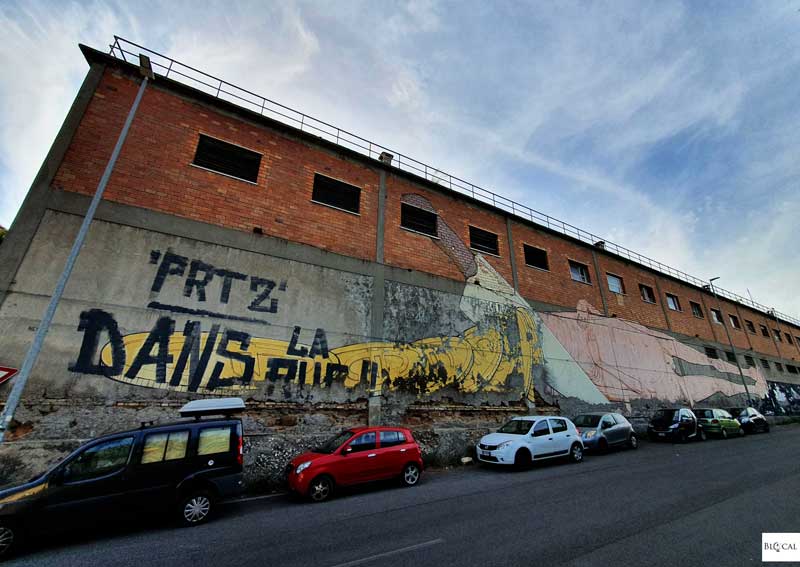
The MAAM is not just a place where you can admire some of the best street art in Rome. Aside from being a museum, the MAAM is home to 200 people from different ethnicities. In 2009, they occupied an abandoned slaughterhouse over 20,000 sqm located in the easternmost outskirts of Rome (Tor Sapienza), which gave birth to one of the most interesting examples of cohabitation: the first inhabited museum on Earth.



Street Art in Rome: A Guide to Ephemeral Art in Italy’s Eternal City
To protect these families from eviction, national and international artists engaged in creating artworks on the walls of the former meat factory, which they donated to the inhabitants in support of the occupation.
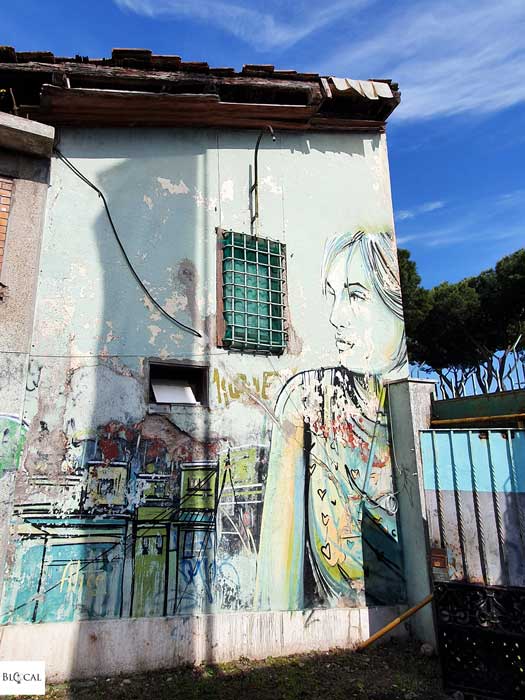
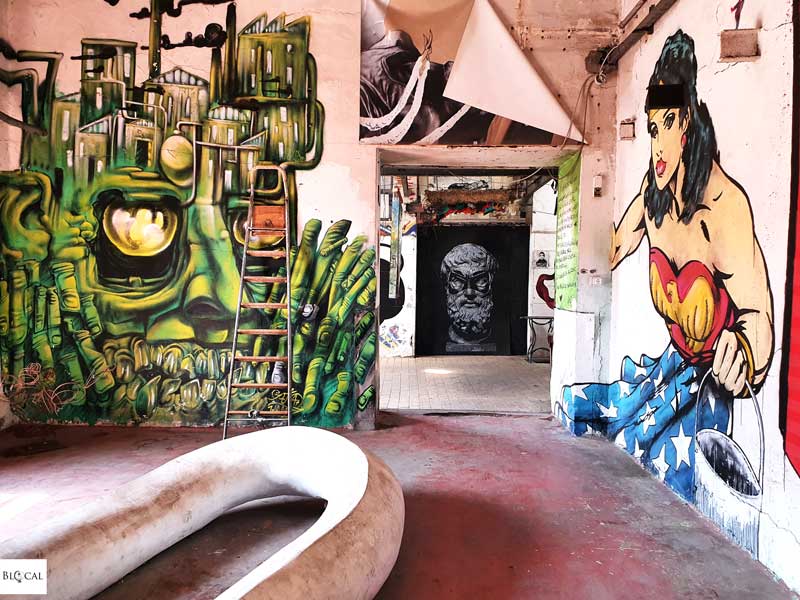
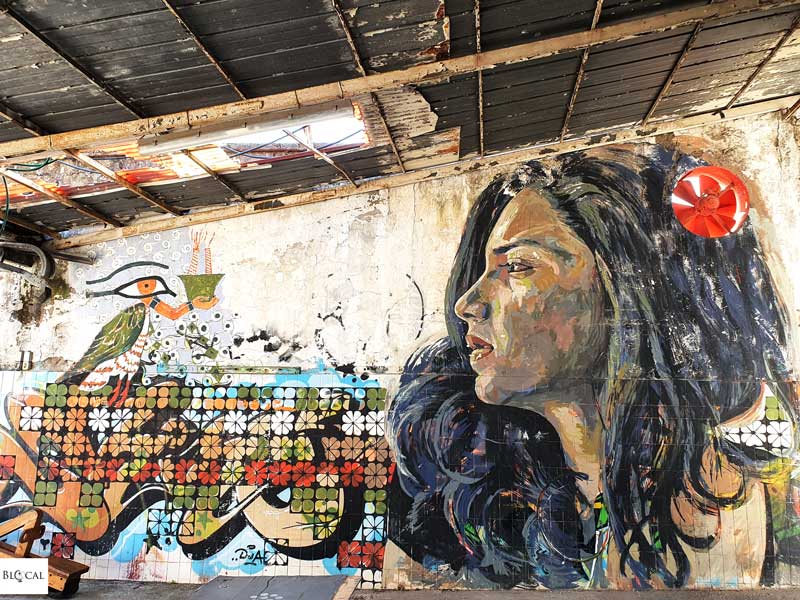
Advocate of this artistic barricade surrounding the ex-slaughterhouse on Via Prenestina is the visionary filmmaker and curator Giorgio De Finis (now curator of “RIF – Museo delle Periferie”, Rome’s Museum of the Outskirts). Giorgio De Finis accidentally discovered this peculiar space during an urban walking workshop and, shortly after, he came back to shoot the surreal documentary (“Space Metropoliz”, 2011 – link at the bottom) that sparked the birth of Rome’s Museum of the Other and the Elsewhere, the MAAM.
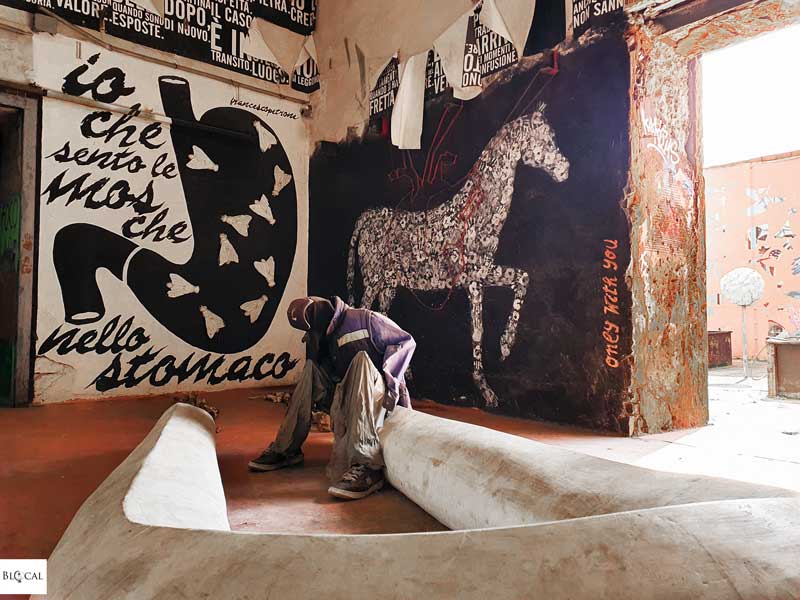
The film tells the story of the factory’s residents who set their mind on occupying the moon, which, according to Giorgio De Finis, “is the largest public space where private property is forbidden and there are no weapons.”
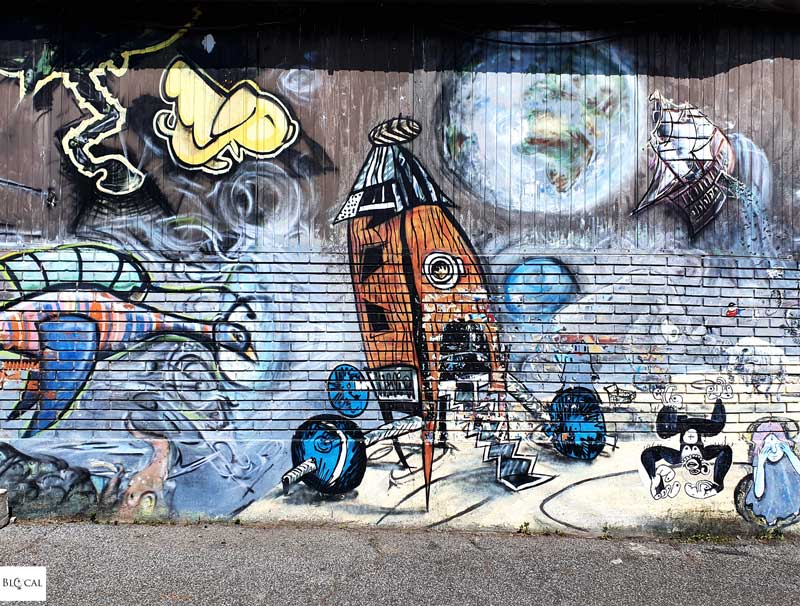
The Space Metropoliz movie isn’t just the sparkle of MAAM Museum’s utopic vocation, but it also marks the actual birth of the museum collection, since the first street artists were invited to paint on the crumbling walls of the vacant factory on this occasion.
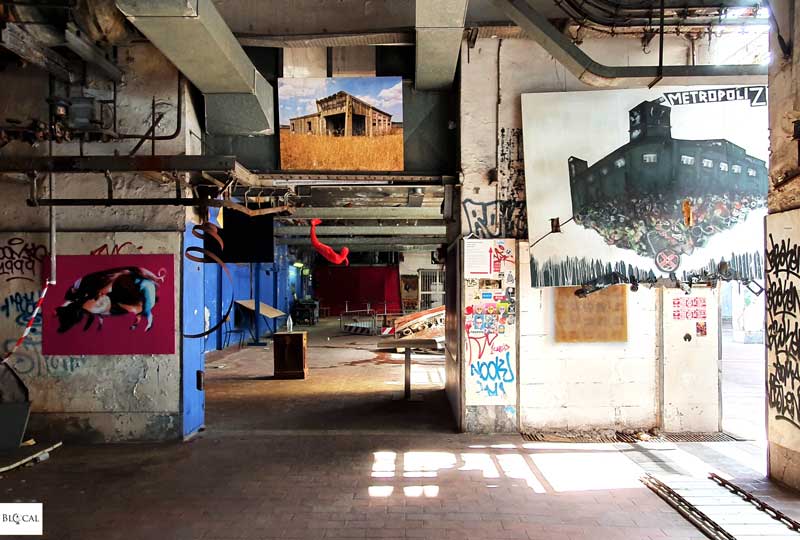
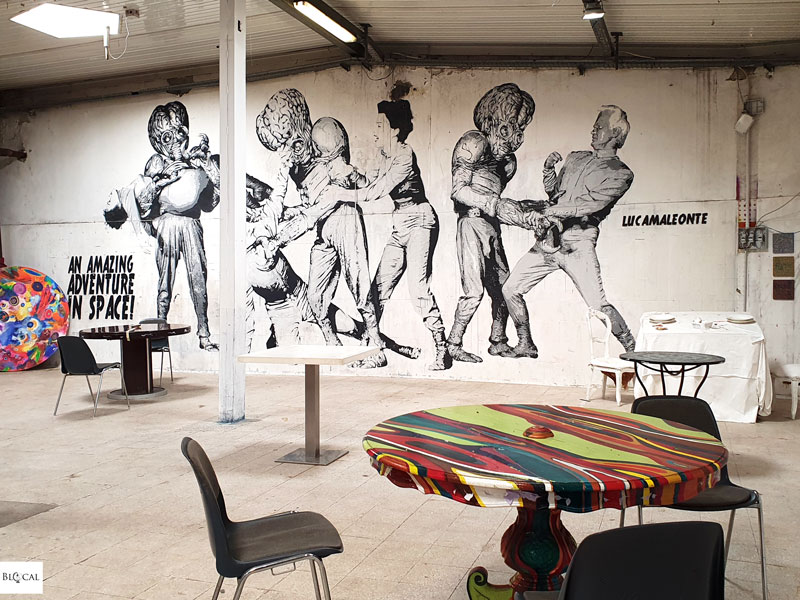
And so, the contemporary artist Gian Maria Tosatti built the telescope atop the tower, the stencil artist HOGRE made the man that climbs towards it, the duo StenLex painted what back then was the first large-scale mural in Rome on the outside wall, the Roman street artist Lucamaleonte painted “An Amazing Adventure in the Space”, Mr. Klevra did his “Spacedog,” and Fabio Meschini left “Trip to the Moon.” All these moon-inspired pieces that appeared in the movie are still there, but since then, many more artworks have followed.
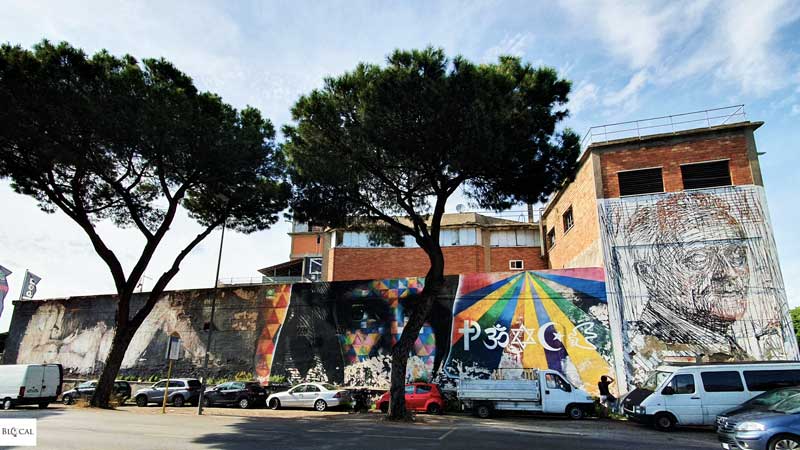
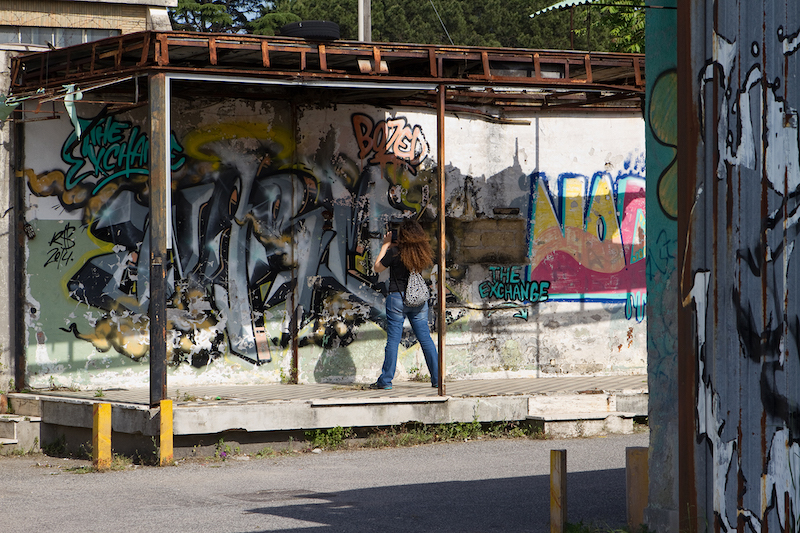
Inside MAAM: Street Art and Site-Specific Works
Fast forward five years and the MAAM now boasts of the greatest collection of street art in Rome. Every piece is site-specific, meaning that it has a strong bond with the inhabited factory where it was created, if only because it serves as a barricade to protect its occupants.
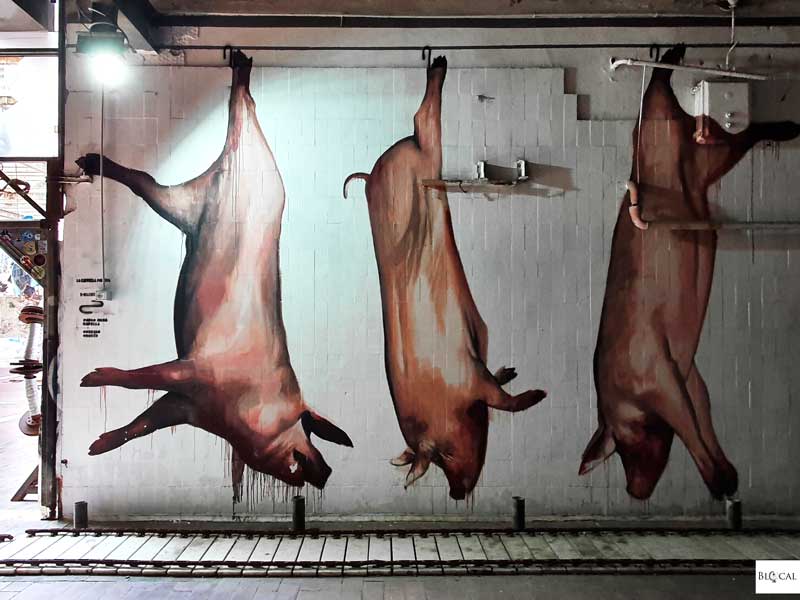
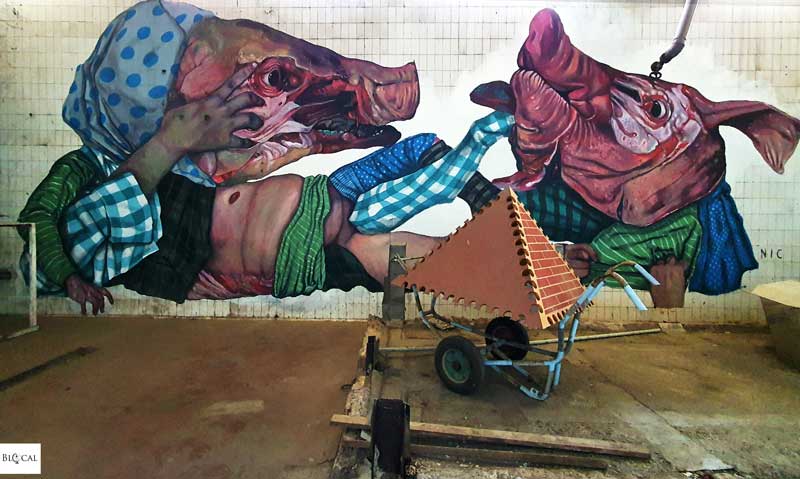
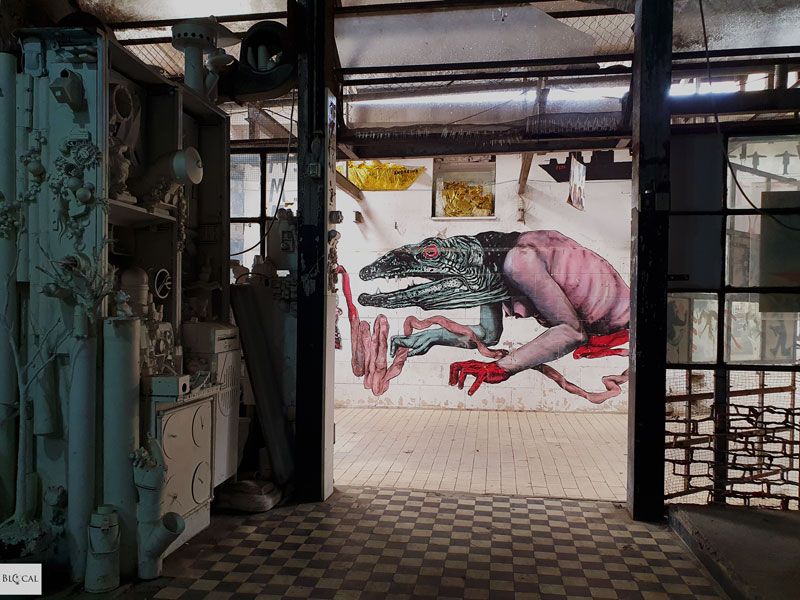
However, such strong roots didn’t prevent MAAM’s inhabitants from looking up to the sky. The aspiration to reach the moon is, in fact, in the museum’s name, signified by the word “Altrove” (elsewhere), while the word “Altro” (other) stands for the difference between each person and everybody else, a homage to diversity that is particularly significant within the occupying community.
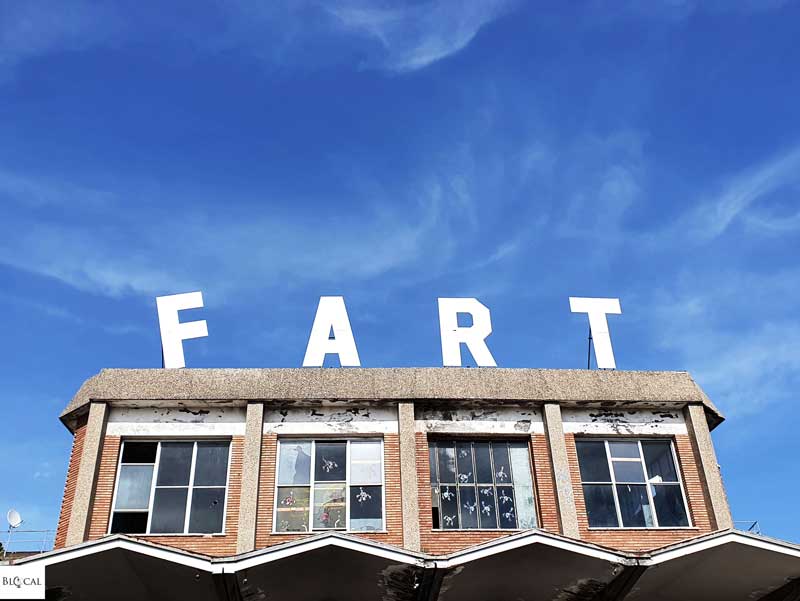
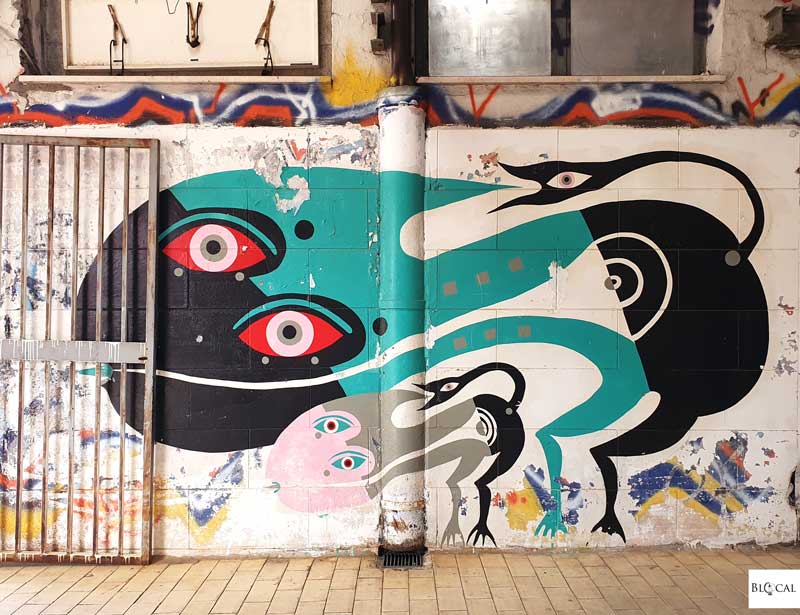
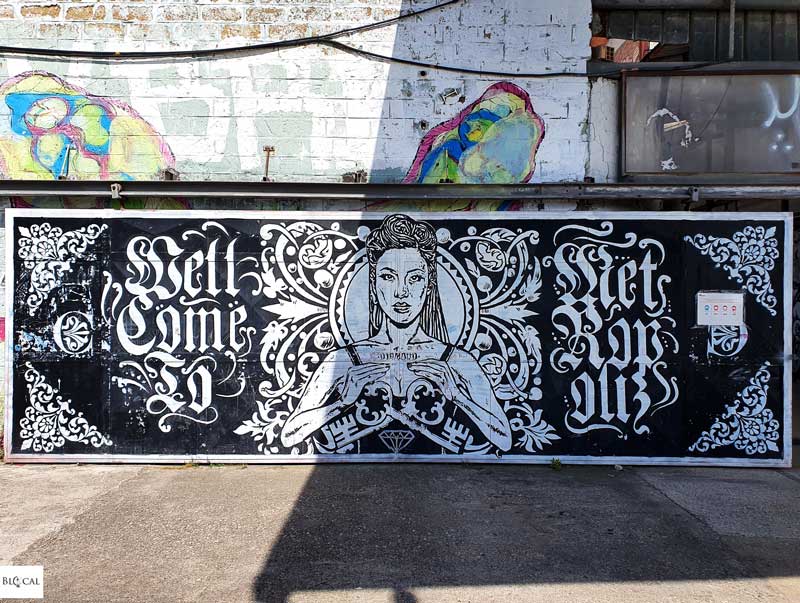
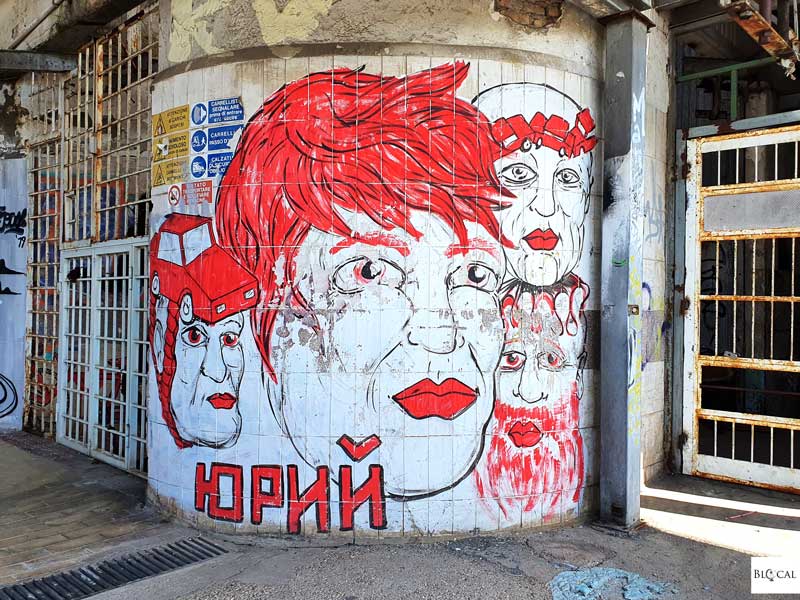
Learning from each other’s differences is another of the museum’s goals. Although counterintuitive to its function of ‘barricade,’ this collection of over 500 artworks brings together all kinds of curious people to discover this peculiar space and its habitative condition, namely the lives of the migrants staying there. It opens the occupation to the rest of the city, preventing the risk of isolation and allowing Romans to learn about the occupants’ fight for fair housing.
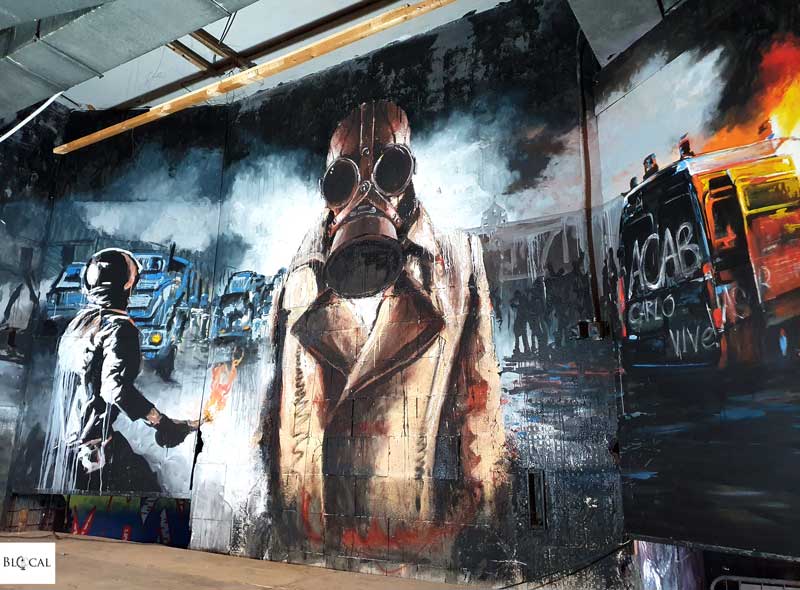
Finally, MAAM aims to deconstruct and reconstruct the idea of a museum, from an elitist white cube to an inclusive space that addresses the conflicts and challenges of the present and aims to contribute to human dignity and social justice. A place more similar to the moon, which “nobody owns, and nobody can buy.”
Looking for more street art in the city? → You can also join me on a private street art tour of Rome.
What’s happening to Metropoliz and MAAM?
If MAAM is on your Rome list, I wouldn’t wait too long to visit.
After years of uncertainty over the future of Metropoliz, Rome has moved towards a permanent solution for the site and the roughly 67 families who live there. The city has acquired the area, and plans are moving forward to transform it into a social-housing project that will also preserve a cultural and exhibition function. Work is expected to begin between late 2026 and early 2027.
This is good news for the people who live here, but it also means that the MAAM you can walk through today may not exist in quite the same form for much longer. So, if you want to experience this extraordinary inhabited museum as it is now, go sooner rather than later.